Anesthetic complications: Recognize and manage
Anesthetic complications can occur quickly and at any time during an anesthetic period, even in the healthy patient. This session will focus on common physiological abnormalities associated with anesthetic techniques, how to recognize them using your monitors, and the most current therapeutic interventions aimed at improving patient morbidity/mortality following these perturbations.
Topics will include how to prioritize and emphasize life-threatening anesthetic issues including respiratory challenges such as hypoventilation, hypoxemia and airway obstruction, as well cardiovascular abnormalities including arrhythmias and hypotension; thermoregulatory concerns will also be addressed. Interventions and tips to support patients and improve patient outcomes with discussion of specific case examples addressing commonly encountered issues during anesthetic events will be included. Participants should obtain a deeper understanding of how to quickly recognize and treat anesthetic-related complications, and which monitors will aid in these endeavors. Target audience will be all veterinary personnel anesthetizing and monitoring companion animals in practice including veterinary assistants, veterinary technicians, and veterinarians.
This session originally was presented at AVMA Convention 2026.
LEARNING OBJECTIVES:
- To identify common physiological abnormalities associated with anesthetic techniques, how to recognize them using your monitors, and the most current therapeutic interventions aimed at improving patient morbidity/mortality following these perturbations.
- To prioritize and emphasize life-threatening anesthetic issues including respiratory, cardiovascular and thermoregulatory challenges.
- To identify interventions and tips to support patients and improve patient outcomes using specific case examples focusing on quickly recognizing and treating anesthetic-related complications using available monitors.
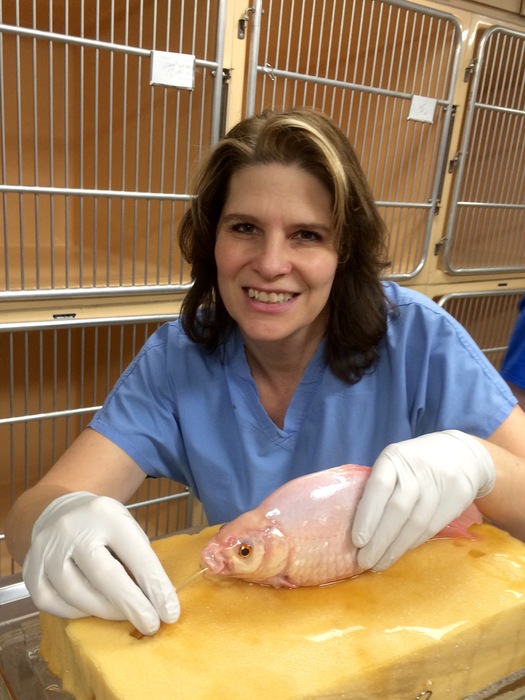
| Dr. Becky Johnson earned her DVM degree from The Ohio State University in 1993. She went on to complete a MS in Veterinary Science (1997) at the University of Wisconsin–Madison, where she also achieved board certification in Veterinary Anesthesiology and Pain Management (1997) through the American College of Veterinary Anesthesia and Analgesia. Building on her expertise, she earned her PhD in Respiratory Neurophysiology (2002) there as well. Currently, Dr. Johnson serves as Clinical Professor of Anesthesia and Pain Management and Research Anesthesiologist at the University of Wisconsin–Madison. In addition to her academic and clinical roles, she is the President-Elect of the Wisconsin Veterinary Medical Association (WVMA), where she is dedicated to advancing veterinary medicine and advocating for veterinary teams across the state. Her professional interests center on developing and evaluating novel anesthetic monitoring techniques for companion, exotic, and laboratory animals, with the goal of improving safety, comfort, and clinical outcomes while instructing veterinary professionals in evidence-based anesthesia and pain management practices. She is also deeply engaged in outside education and outreach, particularly in providing training in pre-hospital emergency care and in addressing the unique anesthetic and analgesic needs of law enforcement K9s. |