New World screwworm: Detect, prevent, and treat
As concern about New World screwworm (NWS) grows, understanding how to detect, prevent, and manage an infestation is critical. In this webinar, experts from the U.S. Department of Agriculture’s Animal and Plant Health Inspection Service, the Food and Drug Administration, and the Centers for Disease Control and Prevention share the latest information on NWS. Topics include the biology of the screwworm, treatment options for companion animals, human health implications, and controls related to international animal travel.
LEARNING OBJECTIVES:
- Understand the biology of New World screwworm.
- Identify what to do when NWS infestation is suspected.
- Learn who is at risk for New World screwworm infestation.
|
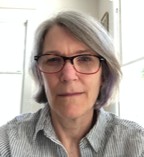
Eric S. Coleman, DVM, MPA, MPH Dr. Eric Coleman is an accomplished veterinarian serving as the director of the National Animal Disease Traceability and Veterinary Accreditation Center at the U.S. Department of Agriculture’s Animal and Plant Health Inspection Service (APHIS).In this role, he provides strategic direction and technical expertise on animal identification and traceability in areas of animal health. As a subject matter expert in epidemiology, he contributes to the development and implementation of disease surveillance and control for major zoonosis and transboundary animal diseases across the United States, improving early warning, analysis, prevention and response efforts at the animal-human-ecosystem interface. He has built strong partnerships with U.S. government leaders, foreign governments, international organizations, agricultural businesses, and other stakeholders. He has provided leadership and oversight for complex international capacity-building programs that provide technical and regulatory assistance to foreign counterparts in efforts to advance best practices to prevent and mitigate transboundary disease threats, including preventing and reducing the likelihood of outbreaks, enhance early detection, and support rapid, coordinated response to safeguard U.S. agriculture. Most recently, he served as program coordinator for the U.S. African swine fever (ASF) response in the Dominican Republic and Haiti and established an ASF surveillance program across the Caribbean and Latin America. His honors include a yearlong fellowship in the White House Leadership Development Program, the USDA Abraham Lincoln Honor Award, and a Letter of Commendation from the Office of the United States Trade Representative for his leadership in resolving major animal health barriers affecting U.S. meat and poultry exports to South Africa. He also received a Letter of Commendation from the USA Poultry and Egg Export Council for going beyond his official duties to address major avian influenza challenges for the U.S. poultry industry in the Middle East and preserve a multi-million-dollar market. Dr. Coleman earned his DVM from Tuskegee University. He also holds a master’s degree in public administration from the University of Colorado and a master’s degree in public health with a concentration in epidemiology from Eastern Virginia Medical School. |
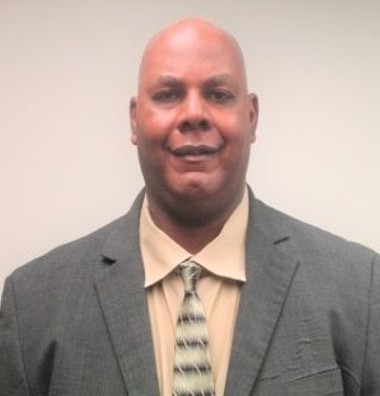
| Honorata Liv Hansen, BVMS, MPH, DACVPM Dr. Honorata “Kuki” Hansen is a public health advisor in the Food and Drug Administration’s Center for Veterinary Medicine, where she focuses on both the threats and opportunities at the intersection of human and animal health. Her work spans across the agency and with external partners. She previously worked in government relations on state public health funding and served as an AVMA congressional fellow focusing on agriculture appropriations. She earned her veterinary degree from the University of Glasgow, Scotland, in 2001, and her master’s degree in public health from the University of Minnesota in 2012. She is board certified in veterinary preventive medicine. She has practiced in a wide range of clinical veterinary settings and continues to practice clinically, with a focus on emergency preparedness, community care, and wildlife health. |
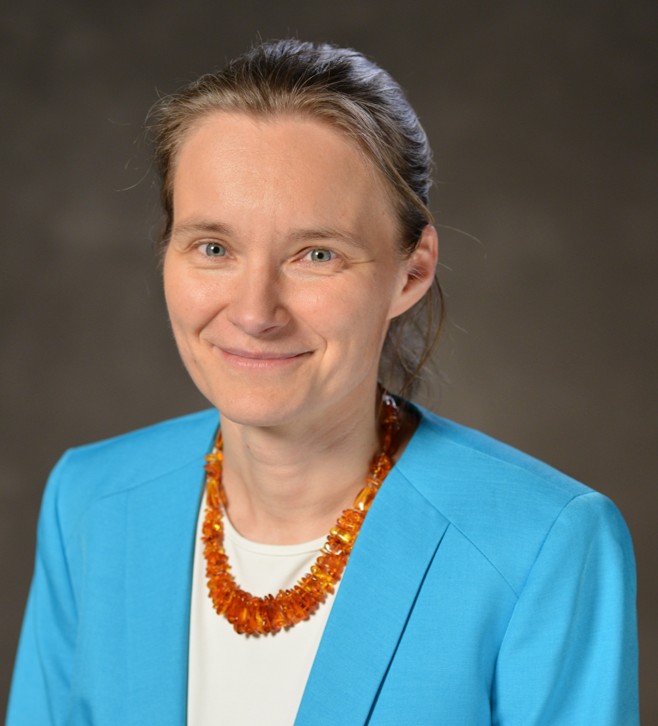
| Susan Montgomery, DVM, MPH Dr. Sue Montgomery is a veterinary medical officer in the Parasitic Diseases Branch at the Centers for Disease Control and Prevention (CDC), where she coordinates activities related to Chagas disease in the United States and provides expertise on other parasitic diseases, particularly those caused by zoonotic parasites. Prior to joining the CDC in 2002, she worked in private equine practice. She earned her DVM from Cornell University and a master’s degree in public health from the Harvard School of Public Health. |